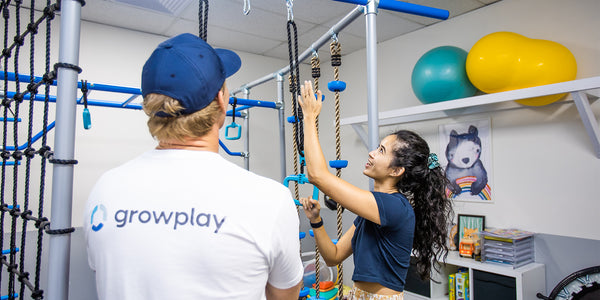
More than just a nostalgic piece of playground equipment, monkey bars offer a dynamic path to physical development and personal growth. For generations, these simple structures have challenged and delighted individuals, fostering a unique blend of strength, skill, and self-assurance. Whether you're a parent encouraging active play, an educator seeking developmental tools, or a fitness enthusiast looking for a novel workout, understanding the profound impact of monkey bars is key. This article will delve into what monkey bars truly represent, their multifaceted benefits, various types, and essential safety guidelines to ensure a rewarding and secure experience. Let's explore the world of swinging and climbing!
What Are Monkey Bars? Exploring Their Meaning and Design
At its core, the monkey bars meaning refers to a quintessential piece of playground apparatus consisting of a series of horizontal rungs, or bars, elevated above the ground. Typically constructed from robust materials like metal or wood, these structures invite users to suspend themselves and traverse from one bar to the next using only their hands. The very designation "monkey bars" is a whimsical nod to the agile and rambunctious climbing behaviors of monkeys in their natural habitats, directly inspiring the name for this climbing frame.
Often referred to interchangeably as a "jungle gym" or "climbing frame," monkey bars embody a simple yet remarkably effective design. This design encourages full-body engagement, demanding upper body strength, tenacious grip, precise balance, and seamless coordination. They are a timeless fixture, found in public parks, schoolyards, private backyards, and even specialized fitness centers, continuing to promote active play and physical literacy across all age groups.
Beyond the Playground: Key Benefits of Mastering Monkey Bars
The advantages of engaging with monkey bars extend far beyond mere recreation. They serve as powerful tools for holistic development, impacting physical prowess, cognitive function, and emotional well-being. Here’s a closer look at the diverse benefits:
Unlocking Upper Body Strength & Endurance
Swinging across monkey bars is an unparalleled exercise for developing comprehensive upper body strength. Every reach, grip, and pull actively engages the muscles of the arms (biceps, triceps), shoulders (deltoids), back (latissimus dorsi, rhomboids), and chest (pectorals). Regular use not only builds raw strength but also significantly improves muscular endurance, allowing users to sustain physical effort for longer periods. For children, this foundational strength is crucial for countless daily activities and sports; for adults, it's an excellent way to maintain functional fitness and build a strong, resilient physique.
Boosting Grip Strength & Dexterity
One of the most immediate and profound benefits of monkey bars is the dramatic improvement in grip strength. The act of holding onto the bars, supporting one's entire body weight, intensely works the forearm muscles and hand flexors. Strong grip is not just for climbers or athletes; it's fundamental for fine motor tasks like writing, drawing, tying shoes, opening jars, and even carrying groceries. Enhanced dexterity, the coordination of hands and fingers, also naturally follows as users learn to manipulate their grip to transition smoothly between bars.
Enhancing Motor Skill Development & Coordination
Crossing monkey bars is a masterclass in motor skill development. It demands exceptional coordination between the hands, eyes, and the rest of the body. Users must learn to time their swings, assess distances, and control their momentum while suspended. This dynamic activity refines balance, spatial awareness (understanding one's body in space), and proprioception (the sense of where one's body parts are relative to each other). It's a full-body workout disguised as play, promoting agility and body control in an engaging way. To learn more about how this equipment builds strength and coordination, check out our article: More Than Play: How Monkey Bars Build Core Strength & Coordination.
Cultivating Confidence, Resilience & Risk Assessment
Perhaps one of the most invaluable, non-physical benefits is the boost in confidence. Successfully traversing a set of monkey bars, especially for the first time, provides a profound sense of achievement and self-efficacy. It teaches kids and adults alike to set goals, overcome fears, and persevere through challenges. This process of confronting a perceived risk, assessing one's capabilities, and ultimately succeeding fosters resilience—the ability to bounce back from setbacks—and develops crucial risk assessment skills in a controlled environment.
Fostering Social Interaction & Emotional Growth
Playgrounds, and particularly monkey bars, often act as natural social hubs. Children learn vital social skills by interacting with peers. This includes practicing turn-taking, cheering on others, offering encouragement, and even resolving minor conflicts. These interactions are fundamental for building social and emotional intelligence, teaching empathy, cooperation, and positive peer engagement.
Types of Monkey Bars: Finding Your Swing and Challenge
The world of monkey bars offers a variety of designs to suit different ages, skill levels, and environments. Understanding these types can help in choosing the right setup for specific developmental or fitness goals:
Straight Monkey Bars
These are the classic, linear horizontal ladders, comprising rungs arranged in a straight line. Ideal for beginners and younger children, straight monkey bars provide a foundational experience, allowing users to develop fundamental swinging, gripping, and coordination skills without added complexity. They are the perfect entry point for building confidence and basic upper body strength.
Curved or Wavy Monkey Bars
Introducing a gentle challenge, these bars feature a design that bends or undulates. The non-linear path requires more refined balance and timing, pushing intermediate users to adapt their swinging rhythm and body control. They are excellent for developing advanced coordination and introducing a playful, dynamic element to the climb.
Loop or Spiral Monkey Bars
For advanced users and older children seeking a greater thrill, loop or spiral monkey bars offer circular or twisted pathways. These designs demand higher levels of strength, coordination, and problem-solving, encouraging creativity in movement and exploration of complex motions. They can feel like a mini-adventure, inspiring more imaginative play.
Freestanding & Modular Monkey Bar Systems
Highly versatile, freestanding or modular monkey bar systems are designed for backyards, indoor gyms, or dedicated fitness spaces. Their primary advantage is adjustability; they can often be expanded, customized, or reconfigured to suit various age groups and fitness goals. This adaptability makes them a smart investment for long-term use, allowing for progressive challenges as users grow in strength and skill. For a more detailed look at choosing the right setup and ensuring safety, read our comprehensive guide: Swing Smarter: A Guide to Monkey Bar Types, Safety & Growth.
Mastering the Monkey Bars: Practical Tips and Safety Guidelines
While immensely fun and beneficial, safe use is paramount. Here are practical tips for both beginning your monkey bar journey and ensuring a secure experience:
Getting Started & Progressive Training
- Start Small: For beginners, especially children, encourage simply hanging from a bar to build grip strength and confidence before attempting to swing.
- Practice Swings: Begin with short, controlled swings. Focus on timing and rhythm rather than speed.
- Spotting: When learning, a responsible adult or peer should stand by to offer support and ensure safety.
- Vary Your Grip: Experiment with overhand, underhand, or alternating grips to engage different muscle groups and improve dexterity.
- Skip a Bar: Once comfortable with successive swings, challenge yourself by skipping a bar, gradually increasing the distance and demand on your strength and timing.
Safety First: Essential Precautions
- Surface Matters: Always ensure monkey bars are installed over a shock-absorbing surface. Materials like rubber mulch, engineered wood fiber, foam mats, or sand can significantly reduce the risk and severity of injuries from falls. Concrete or asphalt surfaces should be strictly avoided.
- Appropriate Height: The height of the monkey bars should be suitable for the user's age and capabilities. Children should be able to comfortably reach the first bar with a slight jump, and ideally, their feet shouldn't be too far from the ground when hanging.
- Constant Supervision: Younger children, in particular, should always be supervised by an adult to ensure proper use and immediate assistance if needed.
- Equipment Check: Regularly inspect the monkey bars for any signs of wear and tear, loose bolts, rust, or structural damage. Ensure all components are secure and stable.
- Proper Technique & Safe Falling: Teach children how to fall safely by tucking their limbs in and rolling. Encourage them to let go if they feel their grip weakening, rather than trying to hang on too long.
- Warm-up & Cool-down: Just like any physical activity, a brief warm-up before and a cool-down after can prevent muscle strain and enhance flexibility.
Conclusion
The monkey bars meaning extends beyond a mere definition of playground equipment; it represents a powerful catalyst for physical, cognitive, and emotional development. From the robust upper body strength they build to the critical life skills like confidence and resilience they instill, monkey bars offer a unique and engaging pathway to holistic growth. By understanding their benefits, exploring the various types available, and adhering to crucial safety guidelines, we can ensure that this timeless apparatus continues to be a source of joy, challenge, and meaningful development for generations to come. So, go ahead, embrace the swing, and discover the incredible potential of the monkey bars!